Stuart Dental Spa Reveals Factors Behind Crown Decisions After Root Canals
STUART, FL - October 20, 2026 - PRESSADVANTAGE - Stuart Dental Spa, a family and cosmetic dental practice in Stuart,
Press Release Disclaimer: This is a press release distributed through the XPR Media network. It has not been independently verified by our newsroom.

STUART, FL – October 20, 2026 – PRESSADVANTAGE –
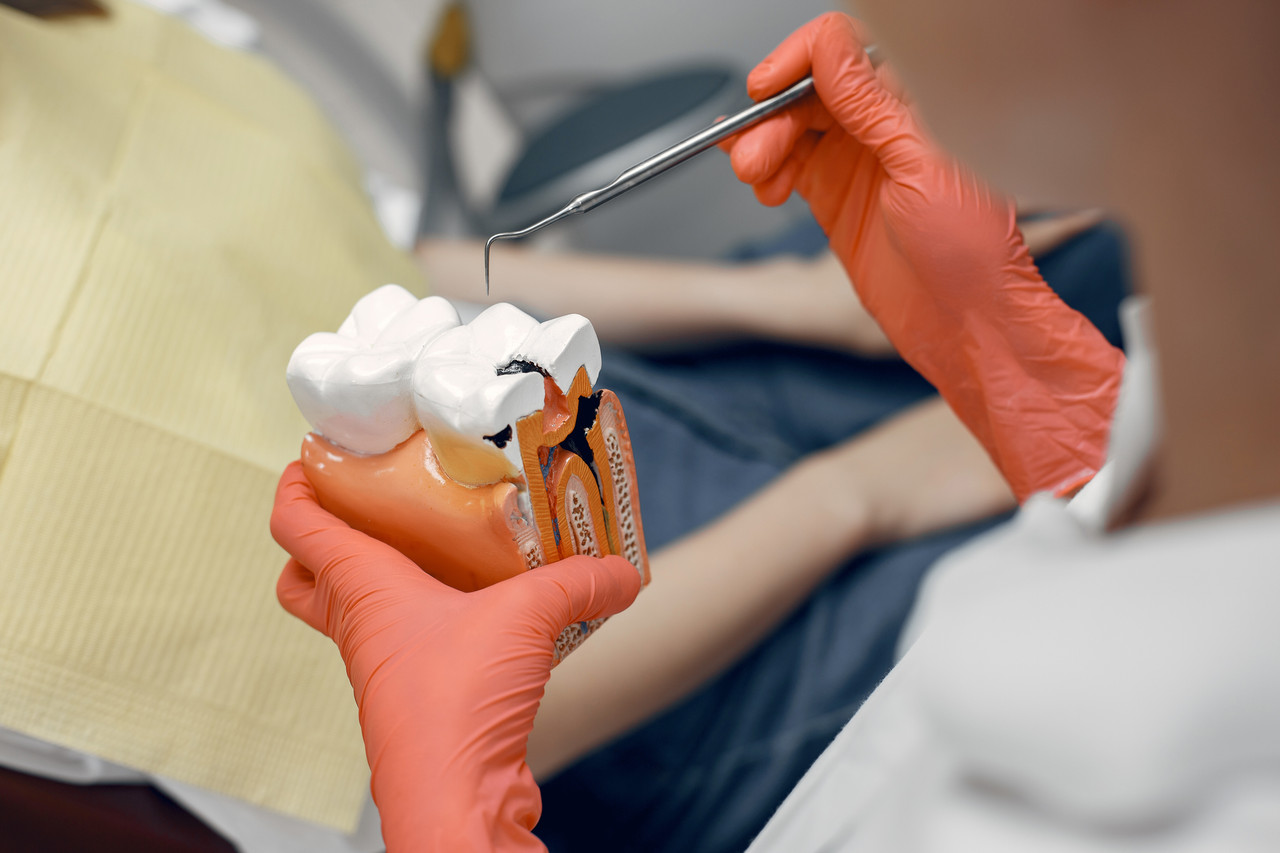
Stuart Dental Spa, a family and cosmetic dental practice in Stuart, Florida, explains how dentists decide whether patients need a crown after root canal treatment. The practice notes that completing a root canal does not always end treatment, because a restoration may still be recommended. Problems can also arise after crown placement, and the practice advises contacting the dentist promptly about a cracked dental crown.
A root canal removes infected or inflamed pulp from inside a tooth, then cleans and seals the canals. That procedure treats the internal problem, but it does not replace tooth material lost to decay or removed to reach the affected tissue. A dental crown covers the remaining structure to help the tooth withstand chewing forces, and Cleveland Clinic notes that dentists usually place a permanent crown at a later visit.
Dentists weigh several factors before recommending a restoration after a root canal. These include the tooth’s location, the amount of healthy enamel and dentin remaining, the depth and extent of any cracks, and bite habits such as grinding or clenching. Each factor affects the tooth’s support and the stress it must withstand.
Tooth location is also important because chewing forces differ across the mouth. Back teeth absorb heavier forces, so a crown may be more appropriate, while a front tooth with minimal structural loss may be restored with a filling instead. The appropriate option depends on the individual tooth.
If a crown is recommended, options include all-ceramic, zirconia, metal, and porcelain-fused-to-metal materials. According to the practice, all-ceramic crowns can closely resemble natural enamel, and zirconia is a strong ceramic that may be considered for teeth that bear heavier loads. Dentists often use metal crowns on back teeth where color is less noticeable, while porcelain-fused-to-metal crowns combine a tooth-colored exterior with a metal framework.
At Stuart Dental Spa, dentists assess the remaining tooth structure and any existing damage before recommending a restoration. The team can then explain whether a crown or a more conservative option suits the tooth.
When substantial tooth material is missing, the dentist may first rebuild the tooth with filling material before shaping it to accommodate the crown. Impressions or digital scans record the tooth’s dimensions and how the upper and lower teeth meet. For a lab-made crown, a temporary crown protects the prepared tooth while dental technicians fabricate the permanent one.
At the next visit, the dentist checks the fit and bite, then secures the crown with dental cement. Between appointments, a temporary filling or crown protects the treated tooth, which can remain vulnerable to damage even after discomfort has resolved. Patients should keep follow-up appointments, and Cleveland Clinic notes that they should not chew on the treated tooth until the permanent crown is placed.
During early recovery, the practice recommends soft foods that require little chewing for the first few days. It also advises careful brushing and flossing around the treated area and taking medication as directed. According to the practice, mild soreness usually improves within a few days.
Patients should contact the dentist if pain becomes severe or worsens instead of easing, or if swelling increases around the gum or jaw. Patients should also report loosening or loss of a temporary restoration, since it can compromise the seal that protects the tooth. Patients should also have an uneven bite checked, because excess pressure may require an adjustment.
When a crown cracks, the practice advises scheduling a visit within a day or two, since a crack is often not an emergency. Severe pain, however, warrants an emergency visit. A broken tooth beneath the crown can sometimes be the actual cause when a crown appears to have failed. The dentist then examines the area to determine the needed treatment.
Stuart Dental Spa provides family and cosmetic dentistry to patients in Stuart and surrounding communities. Dr. Matheny, the owner, has more than 25 years of dental experience, most of it in his own office in Port St. Lucie, according to the practice.
###
For more information about Stuart Dental Spa, contact the company here:
Stuart Dental Spa
Dr. Matheny
(772) 287-2338
info@stuartdentalspa.com
725 SE Osceola St B, Stuart, FL 34994, United States